Blocked Drain in Mongaguá SP? What to Have Ready Before You Call a Desentupidora
Before you call a desentupidora Mongaguá SP, have three things ready: the exact address with any access instructions, a short description of where the water backs up (sink, floor drain, toilet, or outdoor inspection box), and a phone number the technician can reach. With those details, a local team can tell you whether the problem is a simple blockage or something that needs a truck-mounted jetter. The rest of this analysis explains how the alternatives compare, what each service actually does, and where homeowners and building managers most often lose time and money.
Mongaguá sits on the Baixada Santista coast, and that geography matters more than most people expect. Sandy soil, seasonal flooding, older masonry pipes in the central neighborhoods, and a large share of properties used only part of the year all shape how drainage problems start and how long they take to fix. A company that works this coast regularly will recognize the pattern faster than a crew driving down from the capital.
What a Desentupidora in Mongaguá Actually Does, Service by Service
Search intent here is usually urgent: someone has sewage rising in a shower drain or a kitchen sink that will not empty. The direct answer is that a desentupidora Mongaguá clears the obstruction mechanically, then checks whether the pipe itself is damaged. Clearing without inspection is the most common shortcut, and it is the reason the same drain blocks again three weeks later.
Drain and Sewer Clearing
Manual clearing uses a steel cable or spiral machine for sinks, toilets, and floor drains. It is fast and inexpensive, and it works well on grease, soap residue, hair, and small objects. For the main sewer line, the crew typically opens the inspection box and runs the cable or a rotating head toward the street connection. If the blockage is roots or heavy sediment, the cable alone rarely solves it.
Mechanical clearing removes the obstruction but does not clean the pipe wall, which is why a follow-up jetting pass is often the better value. Ask the technician to tell you what came out of the line — grease, roots, sand, or paper — because that answer tells you what will come back.
Hydro Jetting for Stubborn Lines
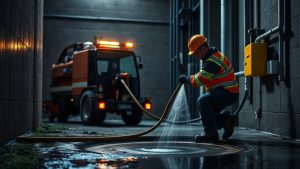
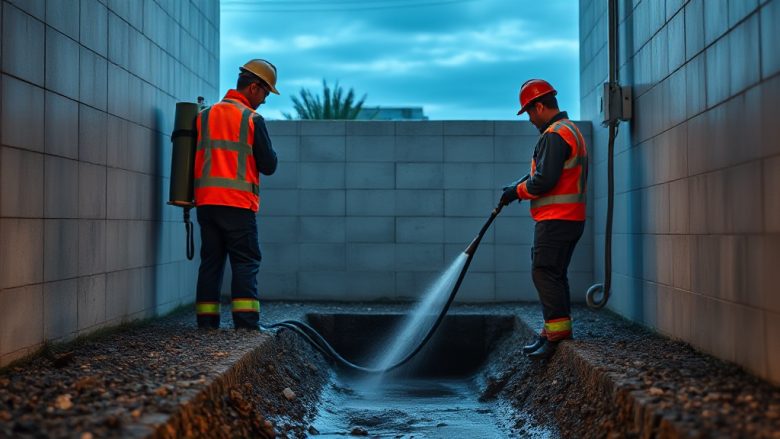
A jetting truck delivers high-pressure water through a hose with a forward and rear-facing nozzle. The forward jet cuts through the blockage while the rear jets pull the hose back and wash the pipe walls. This is the standard method for restaurant grease lines, condominium stacks, and coastal pipes packed with sand after heavy rain. It requires an access point of adequate diameter, so the crew checks the inspection box before starting.
Jetting is not right for every pipe. Very old, brittle clay or badly corroded metal lines can be damaged by excessive pressure, which is why a competent operator adjusts pressure and nozzle type to the pipe material rather than running everything at maximum.
Septic Tank and Fossa Cleaning
Properties outside the municipal sewer network in Mongaguá rely on septic tanks and holding pits. When these fill, the symptoms mimic a blocked drain: slow fixtures, gurgling, and odor. Pumping and hauling the waste is a separate service from drain clearing, and it needs a vacuum truck with proper disposal. Skipping this step and simply clearing the pipe downstream only buys a few days.
Emergency Response at Night and on Weekends
Sewage backups do not wait for business hours, and in a coastal town with many weekend properties, problems are often discovered on a Saturday morning after months of disuse. A 24-hour dispatch line is the difference between a contained mess and water across a ground-floor apartment. Confirm the response window when you call, and ask whether the quoted price applies to nights and holidays.
How the Options Compare: Choosing Between a Local Crew and a Generalist
When I compared the alternatives available to a Mongaguá property owner, the practical split came down to three choices: a local specialist with a jetting truck, a general handyman with a manual auger, and a large contractor based in São Paulo. Each has a legitimate use, but they are not interchangeable.
| Option | Best for | Main limitation |
|---|---|---|
| Local desentupidora with jetting equipment | Sewer mains, grease lines, recurring blockages, septic tanks | Higher base price than a manual clearing |
| Handyman with a manual auger | A single slow sink or a toilet clog | Cannot reach the street connection or clean pipe walls |
| Contractor from the capital | Large condominium networks and planned maintenance | Travel time on urgent calls, especially in peak season |
The trade-off that matters most is time versus thoroughness. A cheap manual clearing at 9 p.m. may restore flow for a week, while a jetting visit the next morning resolves the underlying cause. For a rented weekend house, the first is often enough. For a building with fifty units sharing one stack, the second is the only responsible choice.
What Drives the Price
Cost depends on access, depth, pipe diameter, and time of day — not simply on the length of the blockage. A floor drain in a ground-floor kitchen is a short job. A blockage in a buried line under a tiled patio requires locating and opening an access point first, and that labor is what raises the invoice. Septic pumping adds disposal fees and truck volume. Anyone quoting a firm price over the phone without asking about access is guessing.
Always ask whether the quote includes inspection and cleanup, because those are the two line items most often added afterward. A written estimate that separates clearing, jetting, pumping, and disposal lets you compare proposals honestly.
Signs You Need a Specialist Rather Than a Quick Fix
- Multiple fixtures drain slowly at the same time, which points to the main line rather than a single trap.
- Gurgling sounds from other drains when you flush, indicating a vent or main-line problem.
- Sewage odor inside the property that persists after cleaning.
- The same drain has blocked more than twice in a year.
- Water pooling around an outdoor inspection box after rain.
Any two of these together justify a proper inspection rather than another round of plunging. Recurring blockages are usually a symptom of root intrusion, a collapsed section, or a slope problem, and none of those are solved from above.
Preventing the Next Blockage in a Coastal Property
Prevention in Mongaguá looks different from prevention inland. Sand and silt enter the system through cracked inspection covers and open yard drains, and the long dry spells followed by intense rain push that material into the main line. A short maintenance routine costs far less than an emergency call.
Start with the kitchen: never pour cooking oil or grease down the sink, and use a strainer in every drain. In bathrooms, fit hair catchers and clear them weekly. Outdoors, keep inspection box covers sealed and remove leaf litter before the rainy season. If the property is vacant for months, arrange a periodic flush so that standing waste does not harden in the line.
For condominiums, the calculation is different. A planned jetting of the main stacks and garage drains once a year is cheaper than one emergency response that floods the lobby. Building managers who track which stacks block repeatedly can target maintenance instead of treating every unit the same. When a blockage does occur, having a documented access plan and a preferred desentupidora em Mongaguá SP on file removes the scramble of finding someone at midnight.
One more habit worth adopting: keep a simple log. Note the date, which drain blocked, what the technician removed, and how long the fix lasted. After two or three entries, the pattern usually becomes obvious, and you can decide between targeted repair and full-line rehabilitation with actual evidence rather than guesswork.
Frequently Asked Questions
How quickly can a desentupidora reach a property in Mongaguá?
Response time depends on the neighborhood and the hour. Central areas with easy truck access are typically reached faster than hillside streets or properties at the end of unpaved roads. When you call, give the full address and mention any gate, ramp, or parking restriction so the crew can plan the arrival.
Can a blocked drain be cleared without breaking the floor?
In most cases, yes. The crew works through existing inspection boxes, cleanouts, and drain openings. Breaking the floor is only considered when there is no accessible point or when a camera inspection shows a collapsed section that must be replaced. Ask for the inspection result before authorizing any demolition.
Is hydro jetting safe for older pipes?
It can be, provided the operator adjusts pressure and nozzle to the pipe material. Very brittle or already-cracked lines are the exception. A responsible technician inspects the line first and will say plainly when jetting is too risky and a different method is needed.
How often should a septic tank be pumped?
It depends on household size and tank volume, but a common interval is every two to four years for a full-time residence. Weekend properties that sit empty for long periods can behave differently, so watch for slow drains and odor as the signal rather than relying on the calendar alone.
Does a night or weekend call cost more?
Many companies apply an emergency rate outside standard hours. The fair approach is to disclose that rate before dispatch. If a quote is given without asking about access or the type of blockage, treat it as provisional and confirm the final price before work begins.